Why Emergency Preparedness Matters
A sudden tyre problem, heavy rain, unexpected obstruction or abrupt action by another road user can create a stressful situation. Good preparation helps drivers respond with more control instead of panic.
Knowing basic emergency-response habits, staying alert and maintaining the vehicle properly can make it easier to handle unexpected situations safely.
Stay Calm
Emergency ResponseKeep Control Before Taking Action
The first priority during an emergency is to stay as calm as possible and maintain control of the vehicle. Avoid sudden steering, unnecessary acceleration or panic braking unless the situation requires immediate braking.
Look for a safe place to slow down or stop, keep aware of surrounding traffic and give yourself enough space to respond safely.
Know Your Next Step
Practical SafetyHandle Common Road Emergencies Carefully
Different emergencies require different responses. Sudden rain may reduce visibility, a tyre problem can affect vehicle stability, and another vehicle may create an unexpected hazard in your path.
Reduce speed when appropriate, keep the steering steady, use hazard warning lights when stopped in a safe location, and seek assistance when the situation cannot be managed safely.
Simple Actions Can Make a Big Difference
Keep a safe following distance, maintain proper tyre and vehicle condition, know where your warning lights and controls are located, and avoid distractions. These habits can improve your ability to respond when something unexpected happens.
Stay Alert
Keep scanning the road and surrounding traffic so you can recognise hazards early.
Control the Vehicle
Use smooth steering, braking and speed control to keep the vehicle stable.
Know When to Stop
When an emergency cannot be managed safely, move to a safe location and get appropriate assistance.
Prepare Yourself for Unexpected Situations
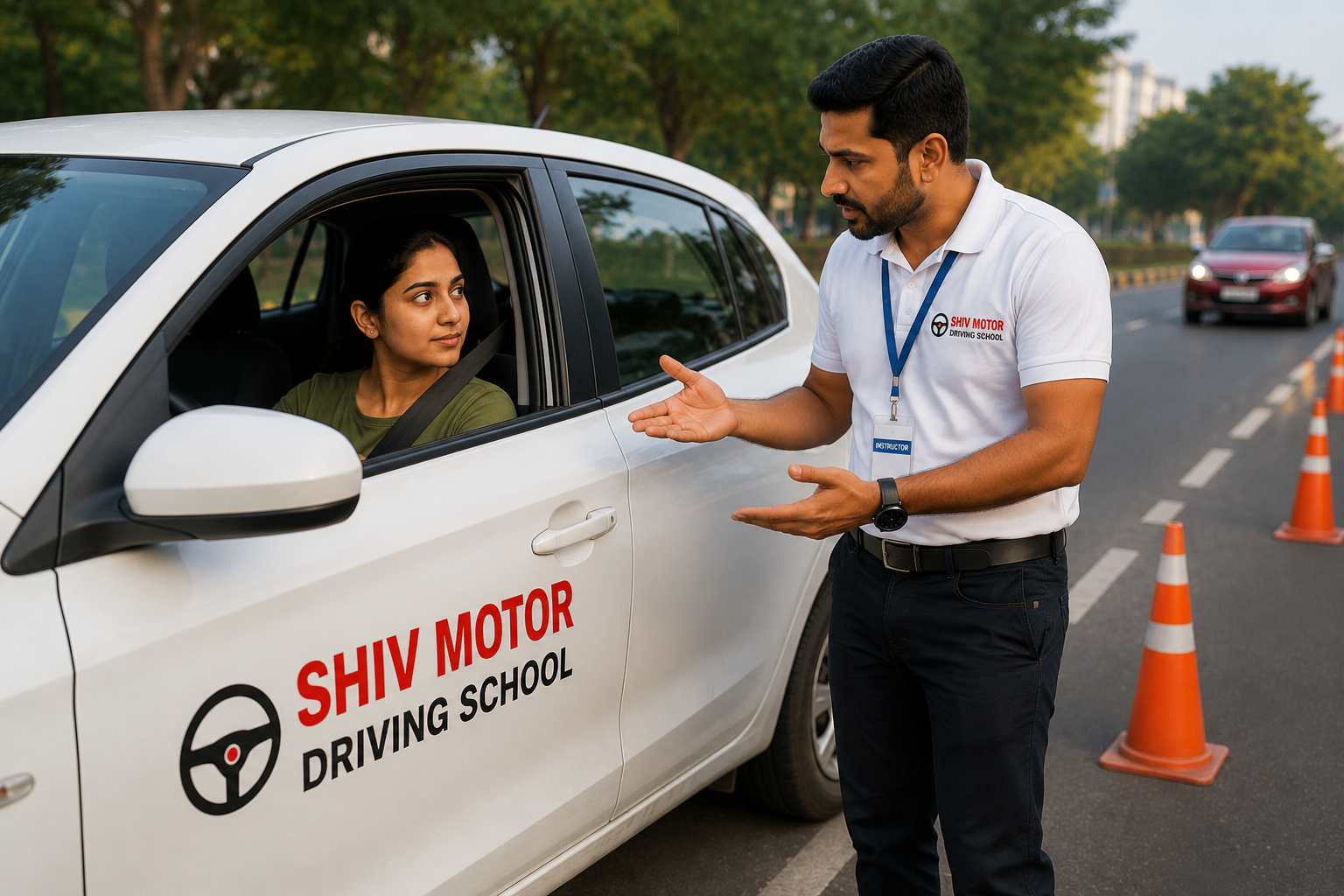
Good emergency handling starts with strong everyday driving skills. At Shiv Motor Driving School, learners can practise steering, braking, observation and road awareness so they are better prepared to respond calmly when conditions change.
Practical training also helps drivers understand when to slow down, when to stop and when to seek assistance rather than taking unnecessary risks.
Stay Calm, Stay Safe and Get Help When Needed
Emergency situations can be stressful, but a calm driver is more likely to make safe decisions. Focus on maintaining control, creating space and moving to safety when possible.
Learn the right skills, maintain your vehicle, stay alert and know when to ask for professional assistance. Preparedness and good driving habits can help you handle unexpected moments more safely.